


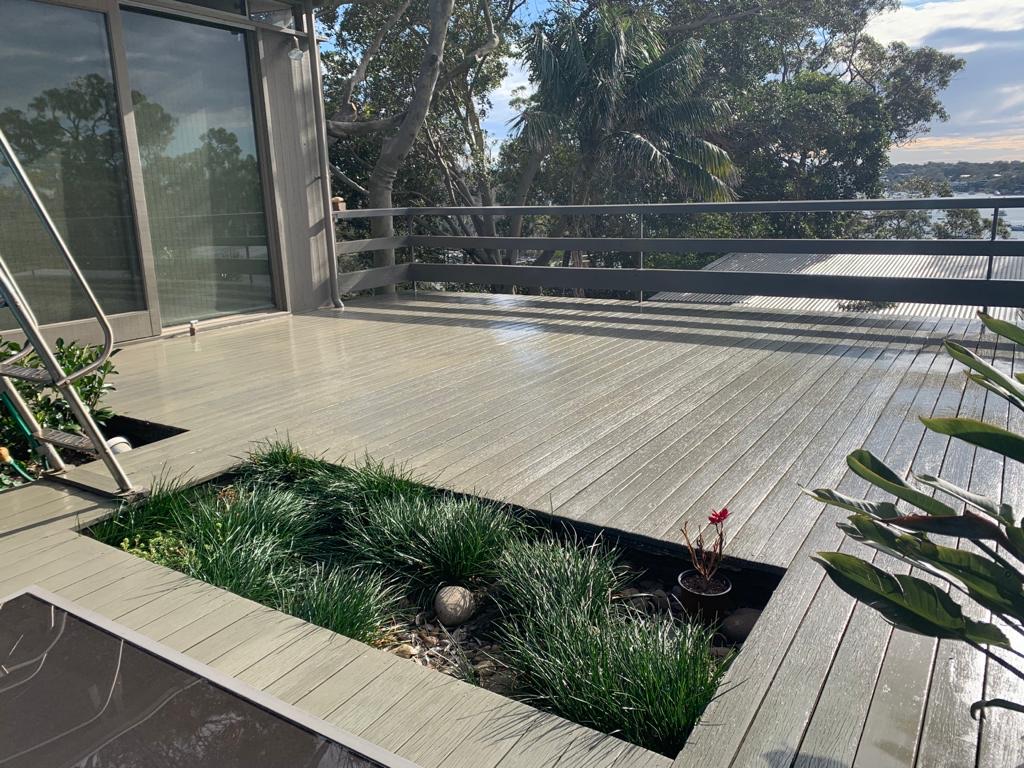
A timber deck is one of the best parts of an Australian home. It is where you relax, entertain and make the most of the outdoors. But a deck also lives a hard life. Between the harsh Sydney sun, sudden downpours, salt air near the coast and constant foot traffic, timber that started out warm and golden can turn grey, rough and tired surprisingly quickly.
The good news is that a little regular care goes a long way. With the right routine you can keep your deck looking beautiful, extend its life by years and avoid expensive repairs down the track. This guide walks you through everything you need to know about timber deck maintenance, from simple cleaning and oiling to knowing when it is time to call in a professional.
Why Timber Decks Need Regular Maintenance
Timber is a natural material, and left unprotected it slowly breaks down when it is exposed to the elements. Here is what your deck is up against:
- UV and heat: the sun bleaches the colour out of timber and dries out the protective oils, which is what leaves an old deck looking silver-grey.
- Rain and moisture: water that soaks into unprotected boards causes swelling, cupping, splitting and, over time, rot.
- Foot traffic: daily wear scuffs the finish and raises the grain, creating rough patches and splinters.
- Mould, mildew and tannin: shaded or damp areas grow dark mould, and some timbers leach tannins that leave stains.
- Salt air: coastal decks on the Northern Beaches and Eastern Suburbs weather faster than inland ones.
Ignore all of this for too long and a deck does not just look bad. Greying and moisture damage work their way deeper into the timber, which can mean sanding back further, replacing boards, or in the worst cases replacing the deck entirely. Regular maintenance is far cheaper than repair.
How Often Should You Maintain a Timber Deck?
Every deck is different, but this simple schedule works well for most Sydney homes. Decks in full sun, heavy use or near the coast will sit at the shorter end of each range.
- Every week or two: sweep off leaves, dirt and debris, and clear the gaps between boards.
- Every 3 to 6 months: give the deck a proper wash to lift built-up grime, mould and tannin stains.
- Every 12 to 18 months: re-oil the deck to restore colour and protection. High-traffic and north-facing decks may need it yearly.
- Once a year: inspect for loose fixings, cupped or cracked boards and worn spots so small issues get fixed early.
- Every 8 to 10 years: a full sand back to bare timber and a fresh finish, to reset a deck that regular oiling can no longer revive.
Step-by-Step Timber Deck Maintenance
1. Keep it clean
The simplest habit is also the most important. Sweep your deck regularly and clear leaves, dirt and debris out of the gaps between boards. Trapped debris holds moisture against the timber, which is exactly what leads to mould, staining and rot. A quick sweep once a week makes a real difference.
2. Wash the deck
Two to four times a year, give the deck a deeper clean. Use a stiff broom or soft brush with a dedicated timber deck cleaner or a mild detergent and water. Work along the grain, rinse well and let it dry fully. For mould or grey patches there are specialist deck cleaners that lift the discolouration without harsh bleaching. Avoid the temptation to blast it with a high-pressure washer, which can gouge soft timber, strip the finish and force water deep into the boards.
3. Check for repairs
While the deck is clean, walk it and look for problems. Push on any boards that feel loose, look for nails or screws that have lifted, and check for cracked, cupped or soft, rotten boards. Re-secure loose fixings, punch protruding nails below the surface and repair or replace damaged boards before they become a safety hazard. Catching these early keeps the whole deck safe and level.
4. Re-oil to protect and refresh
Oiling is what keeps a timber deck alive. A fresh coat restores the colour, feeds the timber and forms the barrier that sheds water and blocks UV. Re-oil when water stops beading on the surface and starts soaking in, or when the colour looks dry and faded. Make sure the deck is clean, dry and free of the old flaking finish, then apply your chosen oil evenly along each board and allow proper drying time between coats. Two thin coats almost always outperform one thick one.
Choosing the Right Deck Finish: Oil vs Stain vs Sealer
One of the most common questions we hear is why decks are oiled rather than coated with a hard polish like an indoor floor. The answer is movement. Outdoor timber constantly expands and contracts with heat and moisture. A hard polyurethane film cannot flex with it, so it cracks and peels within a season or two. A penetrating oil soaks into the timber and moves with the boards, which is why it is the standard choice for decks. Your main options are:
- Decking oil: penetrates the timber to nourish and protect it, with a warm, natural look. It is easy to maintain because you can usually clean and re-coat without sanding back. This is the most popular choice.
- Tinted oil or stain: adds colour, from a light natural tone to a rich, dark finish. The added pigment also improves UV resistance, so the colour lasts longer in the sun.
- Water-repellent sealer: maximises water resistance for exposed, poolside or coastal decks that cop a lot of moisture.
The best product also depends on your timber. Dense hardwoods like spotted gum and blackbutt, oily timbers like merbau, and softer treated pine all behave differently. If you are changing the colour of your deck, our deck staining service can help you pick a tone and finish that suits both the timber and your home.
How to Tell When Cleaning and Oiling Is Not Enough
Regular cleaning and oiling will keep a deck healthy for years, but eventually every timber deck reaches the point where a surface refresh will not cut it. It is time for a full sand back and restoration when you notice:
- Deep, even greying across the whole deck that will not clean off.
- Rough boards and splinters that make the deck unpleasant or unsafe underfoot.
- Old oil or coating that is flaking, peeling or blotchy and no longer soaks in evenly.
- New oil that will not absorb because the timber is clogged with old product.
- An uneven, patchy look no matter how much you clean or re-coat.
At this stage the only way to get an even, long-lasting result is to sand the deck back to fresh timber and start the finish again from scratch.
Not sure whether your deck needs a re-oil or a full restoration? Send us a quick video of your deck and we will tell you honestly which it needs, with a free, no-obligation quote.
Caring for Different Decking Timbers
Australian decks are built from a range of timbers, and each has its own quirks:
- Merbau (kwila): one of the most common decking timbers in Sydney. It is durable and rich in colour but bleeds tannins when new, so early washes and the first oil matter. It holds oil well once settled.
- Spotted gum and blackbutt: tough Australian hardwoods that wear beautifully. They are dense, so they benefit from a quality penetrating oil and regular maintenance to keep their colour.
- Ironbark and jarrah: very hard and long-lasting, with deep natural tones that a good oil brings out.
- Treated pine: more affordable and widely used. New treated pine usually needs to weather for a few weeks before its first oil so the timber can accept it, then a tinted oil gives the best colour and UV protection.
Whatever your deck is made of, matching the finish and the maintenance routine to the timber gets the best and longest-lasting result.
Timber vs Composite Decking: Maintenance Compared
If you are weighing up decking options, maintenance is a big part of the decision. Composite decking is largely low maintenance. You clean it, but you cannot sand it or re-oil it, and if it fades or scratches there is no way to restore it to new. Natural timber asks for more: periodic cleaning, re-oiling and the occasional sand back. In return, timber gives you a warmth, grain and natural character that composite cannot match, and a weathered timber deck can always be brought back to life. Sand it back, re-oil it, and it looks brand new again, something a composite deck can never do. For many homeowners, that ability to restore timber over and over is exactly why it is worth the extra care.
Common Deck Maintenance Mistakes to Avoid
- Using a high-pressure washer: it feels satisfying but can carve up soft timber and drive water into the boards.
- Oiling a dirty or damp deck: oil cannot penetrate properly, so the finish looks patchy and fails early. Always clean and dry first.
- Leaving debris in the gaps: trapped leaves and dirt hold moisture and are a leading cause of rot.
- Ignoring early greying: the longer you leave it, the more timber has to be sanded away later.
- Over-applying oil: thick coats stay sticky and attract dirt. Thin, even coats are the goal.
- DIY sanding without the right gear: household sanders can gouge boards and catch on fixings, leaving an uneven finish that is hard to fix.
When to Call a Professional
Routine cleaning and oiling are easy to do yourself. But when a deck has gone properly grey, rough or patchy, a professional sand and re-oil delivers a far better, more even result than anything achievable by hand. This is where our professional deck sanding and restoration service comes in. We sand the deck back to fresh timber with commercial equipment, repair damaged boards, and rebuild the finish with premium oils made for Australian conditions.
Revolution Floor Sanding is a family-run team with more than 25 years of experience and over 2,500 completed timber projects. We restore decks right across Sydney, including the Inner West, North Shore, Northern Beaches and Eastern Suburbs. If your deck also feels slippery when wet, ask us about anti-slip finishing, and if you have indoor timber floors that have seen better days, the same care goes into our timber floor restoration work.
Ready to bring your deck back to life? Call Revolution Floor Sanding on 0406 261 606 or request a free quote. Send a short video of your deck for a fast, accurate estimate.
Frequently asked questions
How often should I oil my timber deck?
Most timber decks need re-oiling every 12 to 18 months. Decks in full sun, heavy use or near the coast may need it once a year. A good test is to splash water on the boards, if it soaks in instead of beading on the surface, it is time to re-oil.
Can I sand and restore my deck myself?
You can, but it is easy to get uneven results with household equipment, which can gouge boards or catch on nails and screws. For a badly weathered or grey deck, professional deck sanding gives a smooth, even finish and includes board repairs, which is hard to match by hand.
What is the best oil for a timber deck?
It depends on the timber. Penetrating decking oils suit most decks, and a tinted oil or stain adds colour and better UV protection. Dense hardwoods like spotted gum, oily timbers like merbau, and treated pine each perform best with the right product, which we can recommend for your deck.
How do I get the grey off my deck?
Light greying can sometimes be lifted with a specialist deck cleaner or brightener. Deep, even greying across the whole deck means the surface layer has broken down, and the only way to fully remove it is to sand the deck back to fresh timber and re-oil it.
Should I use a pressure washer on my deck?
It is best avoided, or used with great care on a low setting. High pressure can carve grooves into soft timber, strip the finish and force water into the boards. A stiff broom with a timber deck cleaner is safer and just as effective.
What is the lowest-maintenance decking?
Composite decking needs the least upkeep, but it cannot be sanded or restored once it fades or scratches. Natural timber needs more care, yet it can be sanded back and re-oiled again and again, so it can always be returned to a like-new look.
How do I stop my deck going grey again?
Keep to a regular routine: clean the deck a few times a year, re-oil every 12 to 18 months, and use a tinted or UV-resistant finish for longer-lasting colour. Consistent oiling is the single best way to hold off greying.
Business Details
- revolutionfloorsanding@gmail.com
- +61406261606
- 55 Pyrmont Bridge Road Pyrmont NSW 2009
Areas We Service
RFS provides timber decking restoration services to homes right across greater Sydney, including the Inner West, Eastern Suburbs, North Shore, Hills District, Northern Beaches, and Sutherland Shire. If you are unsure whether we cover your area, get in touch and we will let you know.