


Your timber floors have lost their shine. There are scuff marks down the hallway, the living room looks dull, and you’re wondering if it’s time for a full sand. Good news: it might not be.
Many floors only need a buff and recoat, a lighter treatment that refreshes the finish without taking the timber back to bare wood. Others really do need a full sand. Choosing the right one saves time, keeps more life in your boards and gets you the result you actually want.
Here’s how the team at Revolution Floor Sanding tells the difference after 25+ years and more than 2,500 Sydney floors.
Quick answer: Floor buffing (also called a buff and recoat) lightly abrades the existing finish and adds a fresh topcoat. It suits floors with a dull or lightly scratched finish that’s still intact. Floor sanding removes the old finish and a thin layer of timber to fix deep scratches, worn patches, stains, uneven boards or to change colour. If you can see bare or greying timber, you need a sand.
What Is Floor Buffing?
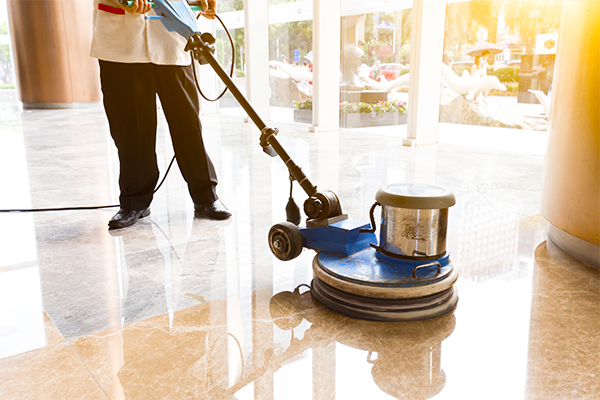
Floor buffing is a maintenance treatment for timber floors that already have a sound protective coating. A buffing machine fitted with a fine abrasive pad or screen gently roughens the top of the existing finish. That gives the new coat something to grip onto. The floor is then thoroughly cleaned and one or more fresh topcoats are applied.
The timber itself isn’t touched. You’re only renewing the protective layer that sits on top of it, which is why buffing is quicker, quieter and creates far less dust than a full sand.
What Is Floor Sanding?
Floor sanding takes the floor back to bare timber. Large drum or belt sanders remove the old coating along with a thin layer of wood, working through progressively finer grits until the surface is smooth and flat. Edges and corners are finished with an edger and by hand.
Once sanded, the floor can be left natural, stained or treated with lime wash or bleach, then sealed with your choice of finish. It’s the reset button for timber floors. For the full picture, read our guide to the difference between sanding and polishing.
Floor Buffing vs Sanding at a Glance
| Buff and recoat | Full sand and polish | |
|---|---|---|
| What it does | Refreshes the existing finish | Removes the finish and a thin layer of timber |
| Best for | Dull, scuffed or lightly scratched finishes | Deep scratches, worn patches, stains, uneven boards |
| Changes colour? | No | Yes, staining, lime washing and bleaching are possible |
| Timber removed | None | A thin layer each time |
| Dust and noise | Minimal | More, managed with dust extraction |
| Typical time | Often a single day for a standard home | Around 1 to 3 days for most homes |
Signs Your Floor Only Needs Buffing
A buff and recoat is usually the right call when:
- The floor looks dull or patchy but the finish hasn't worn through
- Scratches are fine and sit in the coating, not in the timber
- Traffic paths look tired but still have a clear coat over them
- The floor was sanded and sealed in the last few years and has been looked after
- You're preparing a home for sale or lease and want a quick, clean refresh
A simple test: drip a little water on a worn area. If it beads, the finish is still protecting the timber. If it soaks in and darkens the wood, the coating has worn through and buffing won’t be enough.
Signs Your Floor Needs a Full Sand
Buffing can’t fix problems in the timber itself. You’ll need a full sand if you see:
- Bare or greying timber in high-traffic areas
- Deep scratches, gouges or dents you can feel with a fingernail
- Water marks, pet stains or dark patches that have soaked into the wood
- Cupped, raised or uneven boards
- Peeling, flaking or yellowed old finishes
- A desire to change the colour or switch finish type
Older floors with heavy wear may also need repairs before sanding. Our timber floor restoration service covers board replacement, gap filling and repairs.
Why Buffing Isn't Always Possible
Even when a floor looks like a buffing candidate, a new topcoat has to bond properly with what’s already there. Some situations make that tricky:
Waxed or polished floors
Floors that have been waxed, or regularly treated with supermarket shine products, can leave residues that stop a new coat from sticking. The result can be peeling or a blotchy finish.
Unknown or incompatible finishes
Not every coating accepts every other coating. A professional will identify what’s on your floor and may do a small adhesion test before recommending a recoat.
Hardwax oil floors
Floors finished with hardwax oil are maintained differently. They’re usually refreshed with a compatible maintenance oil rather than a standard buff and recoat.
How Often Should Timber Floors Be Buffed?
It depends on traffic. Busy family homes with kids and pets wear faster than a quiet apartment. Commercial floors in cafes, offices and school halls wear faster again.
The key is timing. Recoat before the finish wears through to bare timber and you can often avoid a full sand for years. Wait too long and the only option left is sanding. Between treatments, follow our tips onpolished timber floor maintenance to keep floors in top condition.
For businesses, regular maintenance coats protect high-traffic floors with minimal downtime. See our commercial floor sanding and sports court floor sanding services.
The Benefits of Choosing the Right Treatment
- Longer floor life: buffing removes no timber, so you save sanding for when it's truly needed
- Less disruption: a recoat is quieter, cleaner and faster
- Better results: sanding fixes problems that a recoat would only seal in
- Fresh look either way: both options restore a clean, even finish
The honest answer is that it’s hard to judge from photos alone. Finish condition, timber species, past treatments and traffic all play a part. At Revolution Floor Sanding, we inspect your floor first and recommend the option that suits it, whether that’s a buff and recoat or a full sand and polish. If you’re thinking about a new colour while you’re at it, explore timber floor staining or the latest timber flooring colour trends.
Frequently asked questions
What is the difference between floor buffing and sanding?
Floor buffing lightly abrades the existing finish and applies a fresh topcoat without touching the timber. Floor sanding removes the old finish and a thin layer of timber to fix deep scratches, stains, worn patches and uneven boards, or to change the colour.
Can buffing remove scratches from timber floors?
Buffing can improve fine surface scratches that sit within the coating. Deeper scratches, gouges and dents that reach the timber need a full sand to remove.
How do I know if my floor can be buffed?
If the finish is dull but still intact, buffing may work. Drip a little water on a worn area. If it beads, the coating is still protecting the timber. If it soaks in and darkens the wood, the finish has worn through and the floor needs sanding.
Can buffing change the colour of my floor?
No. Buffing only refreshes the clear protective coat. To change colour with staining, lime washing or bleaching, the floor needs to be sanded back to bare timber first.
Is floor buffing dusty?
Buffing creates very little dust because only the surface of the existing coating is lightly abraded. Full sanding produces more dust, which professional sanders manage with dust extraction equipment.
Can all timber floors be buffed and recoated?
Not always. Floors that have been waxed, treated with shine products or coated with an incompatible finish may not bond with a new topcoat. A professional inspection, and sometimes an adhesion test, confirms whether a recoat will work.
Business Details
- revolutionfloorsanding@gmail.com
- +61406261606
- 55 Pyrmont Bridge Road Pyrmont NSW 2009
Areas We Service
-
Find out whether your floor needs a buff and recoat or a full sand. Call Revolution Floor Sanding on 0406 261 606 or contact us to book an on-site inspection anywhere in Sydney.