


Flooring is among the first things people to notice in a business environment, even if they don’t explicitly say it. Customers and employees may not verbalise it but worn, out floors, scratches, and dull patches have an effect on their perception of the space. Hence, commercial floor sanding and polishing is not only about improving the appearance of floors but also about upholding standards, ensuring safety, and creating prolonged value.
Regular sanding and polishing make floors sturdy, hygienic, and aesthetically pleasing in offices, retail stores, and hotels, and could be massive commercial flooring projects as well. The likes of Revolution Floor Sanding are adept at taking care of floors that undergo heavy traffic and where both, the durability and the appearance, are of equal importance.
What Is Commercial Floor Sanding and Polishing?
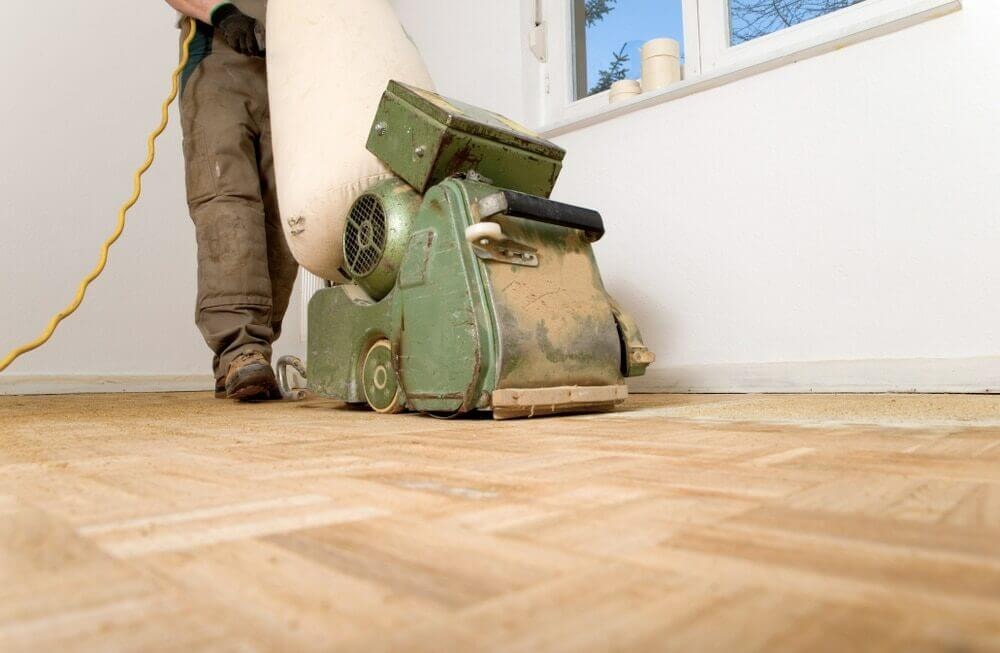
Commercial floor sanding is basically the process of getting rid of the worn, out top layer of the floor by heavy, duty sanding machines. This is what repairs the scratches, stains, and bumps that have been made by the regular walking of people. Once the sanding is done, the floor is polished as a way of both protecting it and restoring the smooth, fresh look.
This method is widely used as part of a regular commercial flooring service because it extends floor life without the cost of replacement. Whether it’s timber floors, wooden flooring, or large project flooring areas, sanding and polishing restores strength and performance.
The usual process includes:
- Floor inspection and preparation
- Coarse to fine sanding stages
- Edge and corner sanding
- Application of sealant or polish
- Buffing for durability and shine
Professional floor polishing services also focus on dust control, which is important for active business spaces.
Why Commercial Floor Sanding Makes Business Sense
Many businesses choose sanding and polishing because it offers long-term benefits.
Professional Appearance
Freshly polished floors instantly improve how a space looks. Clean commercial floor covering creates a better first impression for clients and visitors.
Long-Term Durability
Sanded and sealed floors handle wear better, reducing repair costs over time. This is important for busy commercial flooring projects.
Cost-Effective Flooring Solution
Restoring floors by sanding instead of replacing them saves money and keeps the business running as usual.
Improved Safety
The addition of an anti, slip floor covering or an anti, slip commercial flooring finish helps lower the number of slips and falls, especially in the areas that are heavily used.
Increased Property Value
Good floors increase the value of commercial buildings and rental properties.
Industry-Specific Commercial Flooring Needs
Different industries require different flooring approaches.
Retail and Showrooms
High foot traffic demands strong commercial floor covering that stays clean and reflective.
Offices and Corporate Spaces
Smooth, quiet floors improve work comfort and support modern design.
Hotels and Hospitality
Floors must look premium while handling luggage, spills, and constant movement.
Medical and Education Buildings
Safety and hygiene are key. Sealed floors with anti slip floor covering are easier to clean and maintain.
Revolution Floor Sanding adapts sanding and polishing methods based on industry needs and floor usage.
Choosing the Right Commercial Floor Polishing Company
If you are searching for a floor polishing company near me, focus on more than just price. Check for:
- Experience with commercial flooring service work
- Proven results in large project flooring jobs
- Modern sanding and polishing equipment
- Knowledge of anti slip commercial flooring options
- Clear timelines and honest communication
Trusted providers like Revolution Floor Sanding focus on quality finishes that last, not short-term fixes.
Aftercare and Maintenance for Commercial Floors
Once sanding and polishing is complete, simple care keeps floors in good shape:
- Daily cleaning with neutral cleaners
- Avoid harsh chemicals on polished surfaces
- Use mats at entrances to reduce dirt
- Schedule light buffing when shine fades
- Watch high-traffic areas for early wear
Good maintenance reduces how often full sanding is required and protects your investment in commercial flooring projects.
Final Thoughts
Commercial floor sanding and polishing is a worthwhile investment for any business that wants floors that are not only durable but also safe and attractive. Apart from just reviving the lovely charm of timber floors that have been heavily trafficked, the method also upgrades safety features by the incorporation of anti, slip floor coverings. This is a process that over time pays off handsomely.
Through the hiring of skilled technicians like those at Revolution Floor Sanding, businesses can maintain their commercial floorings in the best condition without the need for costly replacements. It does not matter if you are running offices, retail stores or hospitality spaces, trusting the right commercial flooring service will make your floors work better and look great for a long time.
FAQ’S
1. What is commercial floor sanding and polishing used for?
Commercial floor sanding and polishing is a fantastic method to breathe new life into business floors that have been worn, scratched or have simply lost their shine. In effect, it takes off the surface damage, strengthens the floor, and gives a brand, new look to the commercial floor covering without the hefty cost of a complete floor replacement.
2. How often should commercial floors be sanded and polished?
It is advisable for most commercial flooring projects to have their floors sanded and polished every 35 years. Areas with heavy foot traffic such as retail stores, offices and hospitality venues will probably have to take up commercial flooring services more frequently if they want to maintain safety and appearance.
3. Is commercial floor sanding suitable for high-traffic businesses?
Yes, Definitely, sanding and polishing are the best methods to be used in high, traffic environments. Additionally, with the very best finish, that is anti, slip commercial flooring, for example, floors in such areas become not only safer but also more durable and less challenging to maintain.
4. How do I choose the best floor polishing company near me?
You may want to consider the experience in commercial flooring projects, the state, of, the, art sanding equipment, as well as the level of transparency with regards to the pricing. Reliable companies such as Revolution Floor Sanding give you the chance to enjoy professional floor polishing services near me that are not only efficient but also durable and come with solutions that prioritise safety.
5. Does commercial floor sanding improve safety in workplaces?
Yes, sanding is a means of getting rid of uneven surfaces and at the same time allowing for anti, slip floor covering finishes. This lowers the chances of slipping and makes safer work environments possible in offices, shops and hospitality businesses where commercial floor covering systems are used, to mention a few such places.